
The payment service Wise has begun blocking the cards of Belarusians working abroad. Who will have them unblocked?
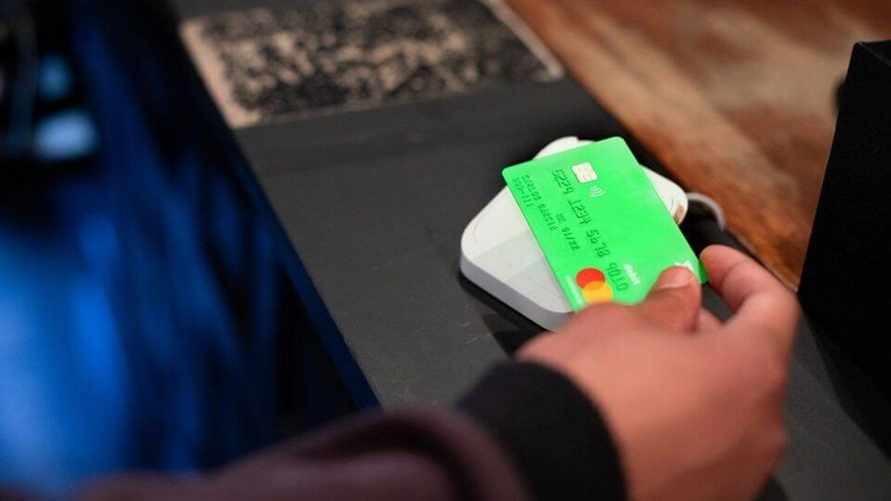
The international payment service Wise has started blocking cards belonging to users from Belarus and Russia, both physical and digital. The reason is the European Union’s 19th package of economic sanctions against Moscow, which has come into force. Some users have been promised their cards will be unblocked, but they will need to provide a set of documents.
Wise card users affected by the block have received an official notification, which the company has duplicated on its official website. It states that customers have until 30 January 2026 to provide the necessary documents for unblocking.
Wise is an international payment service that allows you to send and receive money, as well as pay with its cards worldwide. Some may face problems with unblocking cards frequently used by Russians and Belarusians working abroad. Previously, Belarusians only needed a Schengen D visa to apply for a card (these are issued to those travelling to EU countries for work, study, family reunification, or to obtain a residence permit). This is no longer sufficient following the EU’s 19th sanctions package.
Wise’s press service clarified that to unblock cards, users are now required to provide a document confirming citizenship or a residence permit in the European Economic Area (EEA) or Switzerland. Similar requirements were previously introduced by other payment services such as Paysera and Revolut. For unblocking (which can take up to five working days), one of the following documents will suffice:
- a passport or identity card confirming citizenship of an EEA country;
- a residence permit or visa document confirming temporary or permanent resident status in the EEA or Switzerland.
The company warned that those who do not provide the required documentation will have their Wise card blocked permanently. However, the block will not affect the customer’s profile within the system.
«You can still send, hold, receive, and convert money,» the company promised.
Previously, Telegraf.news reported that restrictions introduced by the European Union under the 19th sanctions package against Russia officially came into force on 2 December. Among those affected are some Belarusian banks. For instance, the press service of Belarus’s Alfa-Bank explained how this will impact their operations—what will happen to the bank’s cards in Belarus and abroad, and whether Belarusians will be able to continue using popular contactless payment systems.
Альфа-Банк предупредил белорусов о «точечных проблемах» из-за санкций ЕС. Что с картами?